
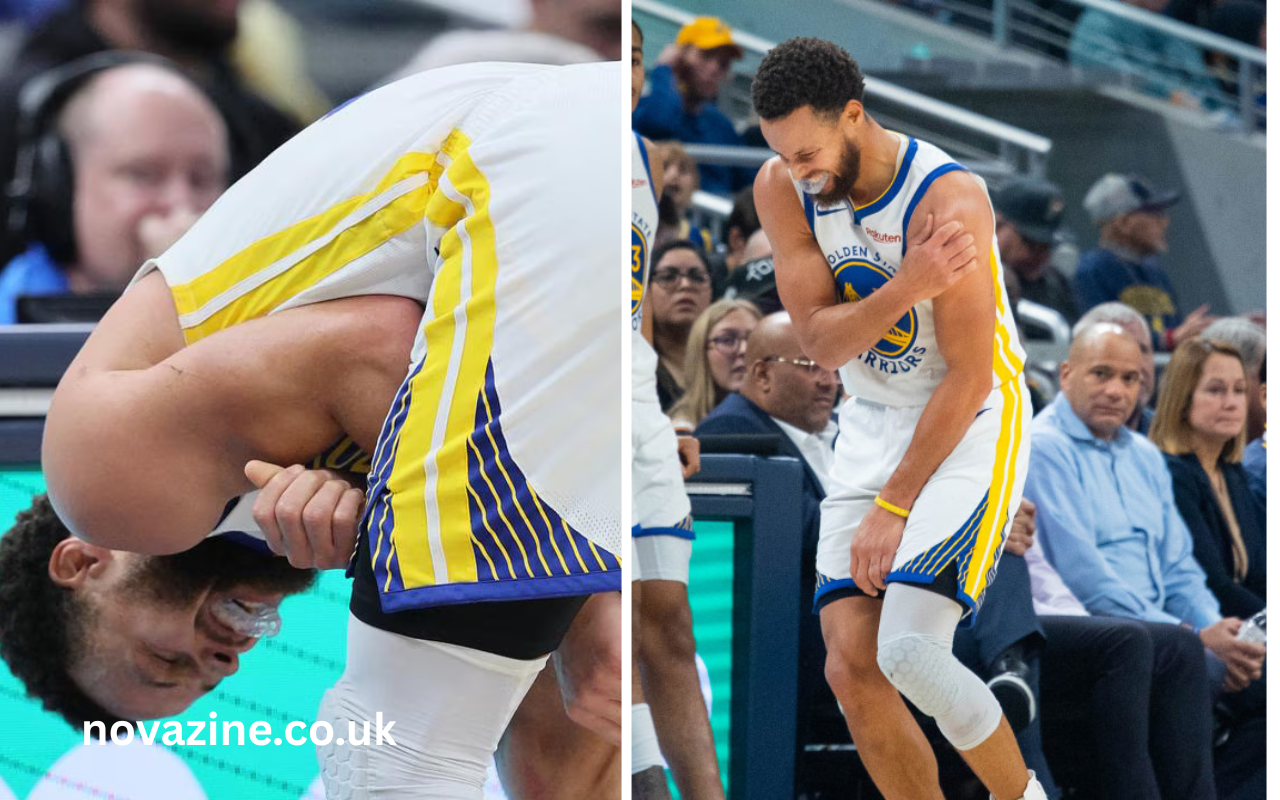
Understanding Steph Curry’s Latest Injury Situation
Stephen Curry has faced several injury concerns throughout his steph curry injury legendary NBA career, but his latest knee issue became one of the most discussed topics among basketball fans. During the 2025–26 NBA season, Curry was sidelined for an extended stretch due to right knee patellofemoral pain syndrome, commonly known as runner’s knee. The injury forced him to miss significant games for the Golden State Warriors and raised questions about workload management as he moves deeper into his late-career years.
Patellofemoral pain syndrome affects the area around the kneecap and is often caused by repeated stress, overuse, or biomechanical strain. For elite athletes like Curry, whose game depends heavily on explosive movement, constant direction changes, and off-ball running, this condition can become especially problematic. Medical experts often recommend rest, rehabilitation, and gradual return-to-play protocols.
The Warriors handled the injury carefully, emphasizing long-term recovery over immediate return. This cautious approach reflected how valuable Curry remains to the franchise, even at this stage of his career, and highlighted the importance of preserving his health for future playoff runs.
How the Injury Happened and What Triggered It
Steph Curry’s knee discomfort reportedly developed after intense individual workouts and gradually worsened during regular-season action. The issue became serious enough that he exited a game early after visible discomfort and was later diagnosed with persistent right knee inflammation associated with patellofemoral pain syndrome.
Unlike sudden contact injuries such as ACL tears or ankle sprains, Curry’s condition was considered an overuse injury. This type of injury often develops silently over time, making it difficult to detect until pain begins affecting performance. For players who rely heavily on movement efficiency, even minor knee discomfort can disrupt rhythm and shooting mechanics.
The Warriors’ medical staff acted quickly by limiting his minutes and eventually shutting him down temporarily. This decision showed the seriousness of the issue and reflected the organization’s commitment to preventing further complications.
Steph Curry’s Injury History Throughout His Career
Injury discussions surrounding Steph Curry are not new. Early in his NBA career, he dealt extensively with ankle instability, which led many analysts to question whether he could sustain long-term greatness. Those concerns eventually faded as he transformed into one of basketball’s most durable stars.
His ankle surgeries early in his career became a turning point. Through improved conditioning, biomechanics adjustments, and specialized training, Curry was able to overcome those setbacks and redefine his physical durability. This resilience played a major role in his rise to multiple MVP awards and championship titles.
More recently, age-related wear and tear has shifted injury concerns from ankles to knees and lower-body fatigue. This transition is common for veteran guards, especially those with Curry’s movement-heavy style of play.
The Medical Explanation Behind Patellofemoral Pain Syndrome
Patellofemoral pain syndrome is one of the most common overuse injuries in basketball. It occurs when irritation develops between the kneecap and underlying thigh bone due to repetitive stress. Symptoms include pain during running, jumping, squatting, and prolonged sitting.
For a player like Curry, whose offensive game depends on constant motion, the condition can be particularly limiting. His signature movement involves relentless sprinting around screens, quick acceleration, and rapid shooting elevation, all of which place repeated pressure on the knees.
Treatment generally focuses on rest, strengthening surrounding muscles, improving movement mechanics, and gradually reintroducing activity. The Warriors reportedly followed this exact process, progressing Curry from rest to individual workouts and then controlled team practice sessions.
Impact on the Golden State Warriors Season
Curry’s absence had a significant effect on Golden State’s performance during the season. Without their offensive engine, the Warriors struggled with consistency, spacing, and late-game shot creation.
Statistics throughout his absence showed noticeable drops in offensive efficiency. Defenses were able to collapse more aggressively against Golden State’s supporting players, knowing Curry’s gravity was missing. His ability to stretch defenses is unmatched, making his absence especially difficult to replace.
Beyond numbers, his leadership and composure were missed. Curry’s presence influences the entire rhythm of the Warriors’ system, and his injury revealed how dependent the team remains on his availability.
Recovery Timeline and Return to Action
The Warriors initially listed Curry as day-to-day, but his recovery extended for several weeks as the team monitored his progress carefully. Reports later confirmed he would miss at least ten additional days while undergoing reevaluation and intensified rehab sessions.
During recovery, Curry returned first to individual on-court workouts before gradually joining live basketball activities. This phased approach is standard for managing overuse knee injuries, especially in veteran athletes.
His eventual return came in early April, when he immediately showed flashes of elite form by scoring 29 points in his comeback appearance. The performance reassured fans that while the injury caused concern, his skill level remained intact.
How Age Influences Curry’s Injury Management
At 38 years old, Curry’s injury management strategy differs significantly from earlier in his career. Recovery times naturally lengthen with age, and medical staffs often prioritize long-term preservation over aggressive short-term returns.
Veteran NBA stars typically require more rest and individualized treatment plans. Curry’s workload management now includes careful minute restrictions, strategic rest games, and specialized recovery routines designed to minimize joint stress.
This reality does not signal decline but adaptation. Many elite athletes extend their careers by adjusting training intensity and recovery protocols, and Curry appears to be following this path effectively.
What This Means for His Legacy and Future
Read More : Nicola Peltz Net Worth Career, Family Wealth, Acting Success, and Lifestyle Explained
Injuries are an inevitable part of every great athlete’s story, and Steph Curry is no exception. However, his ability to recover and continue performing at an elite level reinforces his legacy as one of basketball’s most resilient superstars.
Even with occasional setbacks, Curry remains one of the NBA’s most impactful players. His shooting ability, basketball IQ, and leadership continue to make him indispensable to Golden State.
The way he handles injuries at this stage of his career may ultimately define the final chapter of his basketball journey, showcasing not just greatness but longevity.
Why Fans Continue Watching Every Steph Curry Update
Steph Curry injury updates generate enormous attention because of his importance to basketball itself. He is not simply a star player; he is a transformative figure whose presence changes how the sport is played and watched.
Every recovery milestone matters because fans understand his influence on the Warriors, the NBA playoff landscape, and the entertainment value of the league. His return instantly changes expectations for Golden State.
As long as he remains active, every injury report, recovery update, and comeback performance will continue drawing attention. His story is bigger than statistics—it is about the endurance of one of basketball’s most revolutionary talents.