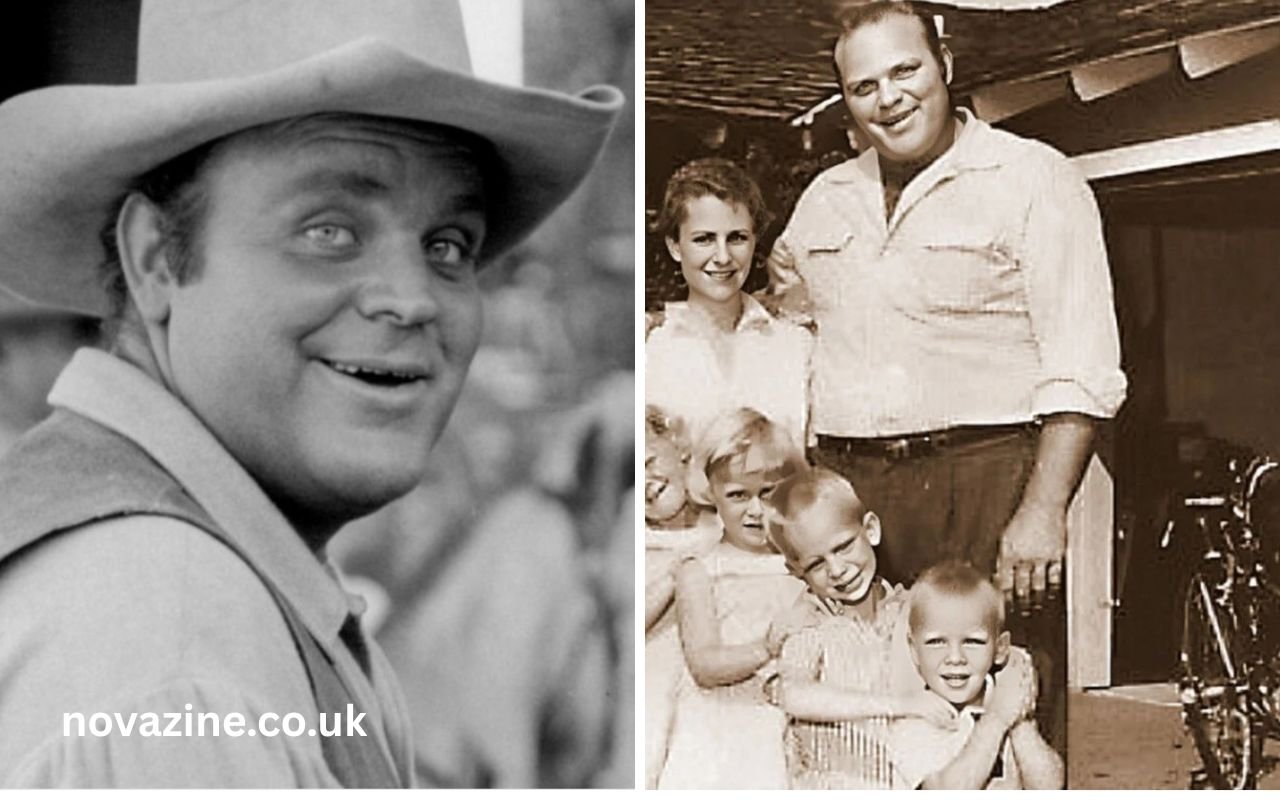
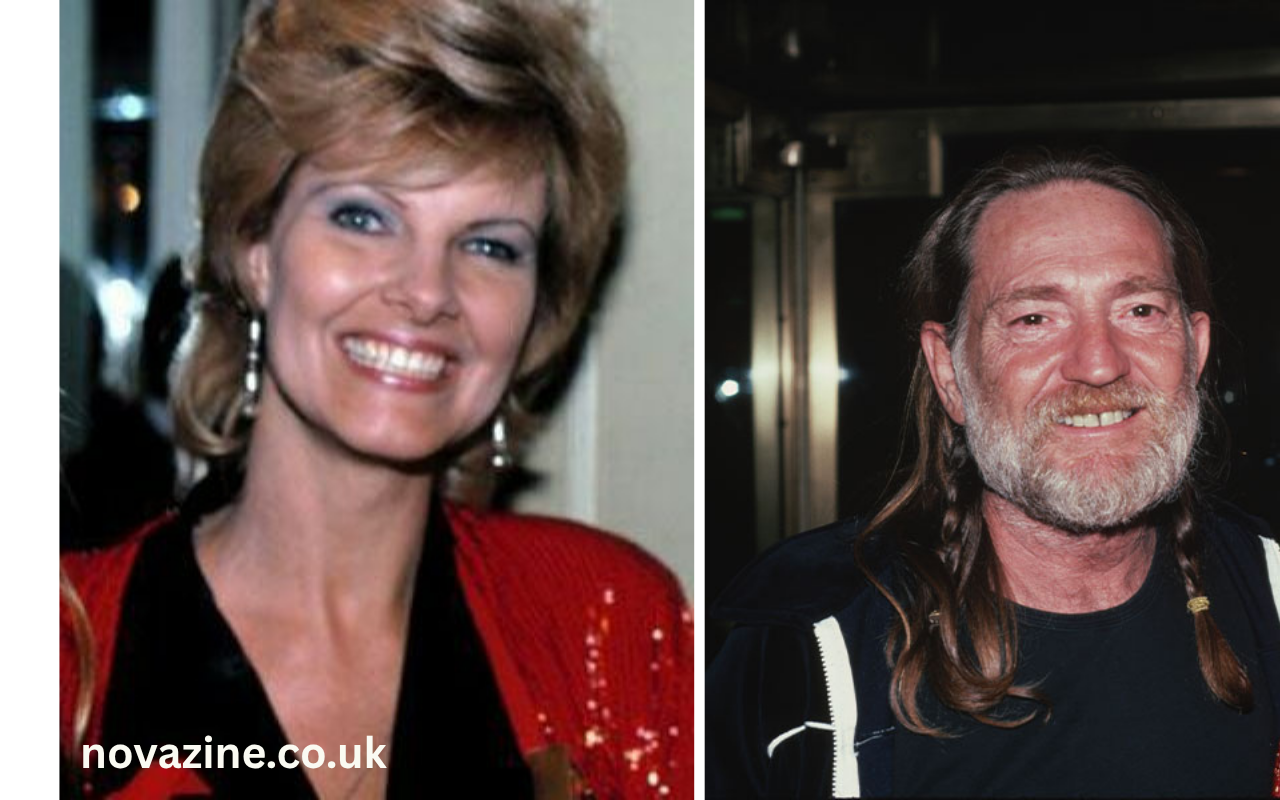
Connie Koepke is a figure most often recognized for her connection to American country music legend Willie Nelson, but her own life story carries a depth of personal experience, family history, and a unique path in the entertainment industry. Born in the United States in 1938, she has maintained a relatively private life compared to many celebrity spouses, but biographical research shows notable aspects of her early life that helped shape who she became. According to available accounts, Koepke’s family background includes immigrant roots, with her father having served in the U.S. Army and her mother tracing ancestry to Eastern Europe. This blend of heritage contributed to her grounded personality and resilient character, even as she later found herself in the public eye as a result of her relationship with a world‑famous musician.
Despite her later associations with celebrity culture, Connie Koepke’s early years were marked by a mix of normalcy and ambition. Growing up in Texas, she attended local schools and demonstrated an early interest in creative pursuits, which eventually led her toward the entertainment industry. While she did not pursue a career in music herself, her later involvement in film production and television reflected a desire to work with storytelling and cultural documentation. Her upbringing, away from glitz and glamour, provided a supportive foundation that allowed her to navigate some of the complex personal challenges she would later face in her adult life.
Throughout her life, Koepke has kept many personal details private. Unlike many public figures today who share their experiences across social media, she has largely stepped back from the spotlight. However, her established reputation as both a mother and a creative professional has secured her place in cultural discussions about the intersection of celebrity family life and individual identity.
The Relationship With Willie Nelson: How They Met and Their Early Years
Connie Koepke is perhaps best known for her marriage to Willie Nelson, one of the most influential country music artists in American history. Their relationship did not begin under conventional circumstances; Nelson was still married to his second wife, country singer Shirley Collie, when Koepke and he became romantically involved. The affair reportedly began in the late 1960s in Texas, where the two met and developed a connection that quickly grew more serious. The circumstances of their meeting have been widely discussed in documentaries and celebrity biographies, shedding light on the complexity of celebrity relationships and personal choices in the music world.
The situation became public in dramatic fashion when Shirley Collie discovered a hospital bill addressed to “Mrs. Connie Nelson,” revealing that Koepke was pregnant with Willie Nelson’s child. This discovery eventually led to Collie’s realization that her husband was having an affair, which hastened the end of Nelson’s second marriage. The episode has been recounted in detail in documentary series about Nelson’s life, adding a candid and humanizing dimension to the story.
Despite the challenging start, Koepke and Nelson continued their relationship and were married in 1971. Their union marked a new chapter in both of their lives. While Nelson’s fame as a musician continued to rise, Koepke adapted to life beside him and assumed roles that ranged from partner to manager of domestic affairs. The early years of their marriage involved numerous adjustments as they balanced Nelson’s demanding career with family responsibilities and public attention.
Connie Koepke as a Mother: Family and Children With Willie Nelson
The birth of Connie Koepke’s first child with Willie Nelson marked a turning point for the couple and introduced them to the responsibilities of parenthood under extraordinary circumstances. Their first daughter, Paula Carlene Nelson, was born in October 1969 amid the controversy of Nelson’s ongoing divorce proceedings. Paula would later become a notable figure in her own right, forging a career in the music industry and often reflecting on her upbringing in interviews and public appearances.
Koepke and Nelson’s second child together, daughter Amy Lee Nelson, was born in July 1973. Amy also pursued a path rooted in creative expression, forming a musical collaboration known as The Folk Uke and performing alongside musicians connected to the broader world of folk and country music. The family environment was creative and deeply influenced by the arts, offering both daughters a unique upbringing surrounded by music and storytelling.
Despite the public fascination with their family life, Koepke often maintained a protective privacy around her daughters’ early experiences. She focused much of her energy on nurturing their growth and supporting their individual interests, even as Nelson’s career demanded frequent travel and attention. This balance of family life and celebrity culture became a defining theme in their household, shaping not only Koepke’s identity as a mother but also the paths her daughters would take as adults.
Career Beyond Marriage: Connie Koepke the Film Producer
While Connie Koepke is widely recognized due to her association with Willie Nelson, her individual career accomplishments are significant on their own. Koepke pursued work in film production, which allowed her to contribute creatively to projects that explored compelling and often unconventional stories. One of her most notable achievements was serving as the executive producer of Streetwise (1984), a documentary that followed the lives of teenagers experiencing homelessness in Seattle. The film was critically acclaimed and demonstrated Koepke’s ability to engage with meaningful, socially conscious storytelling.
Her work did not stop there. Koepke also participated in the production of Mike Judge Presents: Tales from the Tour Bus (2017), a documentary series that explores the lives of musicians and their inner circles through animated storytelling and firsthand accounts. Her contributions to projects like this reveal an interest in both preserving cultural narratives and fostering creative expression within documentary filmmaking.
More recently, Koepke has been associated with documentary work such as Lovey: King of the Roadies, which highlights the life of one of the industry’s most respected road crew members. Her involvement reflects a continuing commitment to illuminating the stories of individuals who have contributed to music history in meaningful ways. Through these projects, she has carved out her own legacy, one that stands apart from her identity as a celebrity spouse and highlights her passion for capturing real human experiences on film.
Personal Challenges and Public Scrutiny
Connie Koepke’s life has not been without its share of personal challenges, and navigating public scrutiny has been a significant part of her journey. When Koepke and Nelson’s relationship began under controversial circumstances, she faced criticism from fans and media alike. Some detractors labeled her a “homewrecker” or questioned her intentions, reflecting broader societal attitudes toward women involved in high‑profile relationships. Despite this, Koepke maintained her dignity and continued to focus on her family and work.
The reality of living in the public eye meant that personal aspects of her life, including relationship dynamics, family struggles, and career choices, were often subjected to external interpretation. Yet she managed to persevere, remaining committed to raising her children and supporting creative endeavours that mattered to her. Her ability to navigate these challenges speaks to a resilience that has defined much of her personal narrative.
Even after her divorce from Nelson in 1988, Koepke chose a quieter public life. Though her name appears in discussions of celebrity history and longstanding documentary projects, she has refrained from extensive media engagement, opting instead for a more private existence. This decision has underscored her desire to emphasize substance over sensationalism, illustrating that her value extends beyond tabloid headlines.
Life After Hollywood: Privacy and Personal Pursuits
Following her divorce from Willie Nelson, Connie Koepke stepped back from the direct spotlight, prioritizing a life centered around personal interests and family relationships. While her contributions to film and television continued to resonate with audiences, she chose not to pursue aggressive public exposure or celebrity branding. This commitment to privacy has allowed her to cultivate a life that balances her past experiences with present introspection.
Within this quieter phase of her life, Koepke maintained strong bonds with her daughters and stayed connected to the artistic and cultural communities that had shaped much of her professional work. Her contributions as a film producer and storyteller remain appreciated by those who value authentic, documentary‑style portrayals of human experience. By staying true to her values, she has demonstrated that personal fulfillment and creative engagement do not always require constant public attention.
This period of her life also reflects a broader shift in how celebrity family members choose to engage with public perception. Instead of seeking visibility for its own sake, Koepke’s approach has emphasized the importance of living a grounded, meaningful life away from the glare of fame. Her story offers a nuanced perspective on what it means to navigate personal identity beyond a headline, reminding us that privacy can be a profound form of empowerment.
Legacy and Influence: Connie Koepke’s Place in Cultural History
Connie Koepke’s legacy extends beyond her marriage to a music icon and into the realm of cultural influence, documentary storytelling, and family heritage. As the mother of artists like Paula Carlene Nelson and Amy Lee Nelson, her impact on the next generation of creative talent is evident. Her daughters’ careers in music and entertainment reflect both the opportunities and responsibilities that come with being part of a creative family, underscoring Koepke’s role in shaping their artistic journeys.
In addition to her influence on her children, Koepke’s professional work in film production has contributed to important cultural dialogues. Documentaries like Streetwise continue to be recognized for their raw, unfiltered portrayal of human resilience, validating her belief in the power of storytelling grounded in reality. Through such contributions, she has carved out a distinct niche in the history of documentary filmmaking, one that resonates with audiences who value authenticity and social awareness.
Her place in cultural history also highlights the broader narrative of women connected to high‑profile public figures who have shaped their own paths beyond their relationships. Connie Koepke stands as an example of how dedication to personal growth, creative contribution, and family can create a meaningful legacy, even when born from circumstances of controversy and public fascination.
Read More:Thalia Besson: The Rising Star Shaping the Future of Film and Television
Conclusion: The Enduring Story of Connie Koepke
Connie Koepke’s life is a rich tapestry of personal resilience, creative endeavor, and family dedication. While many people know her as Willie Nelson’s third wife, her story encompasses much more than celebrity association. From her early life in Texas and her contributions as a film producer to her role as a mother to two creative daughters, Koepke’s journey reflects both complexity and authenticity. Her ability to navigate public scrutiny, embrace meaningful artistic work, and prioritize personal values serves as an inspiring narrative in its own right.
As an individual, Koepke embodies the idea that legacy is shaped not just by public attention but by the lasting influence one has on family, art, and cultural storytelling. Her life continues to spark interest and respect among fans of music history, documentary filmmaking, and celebrity biographies alike. By remaining true to her priorities, she has secured a place in cultural memory that goes far beyond the headlines, reminding us that every life story is layered, meaningful, and worth understanding in its full context.