A Man Beyond the Shadow of Amelia Earhart
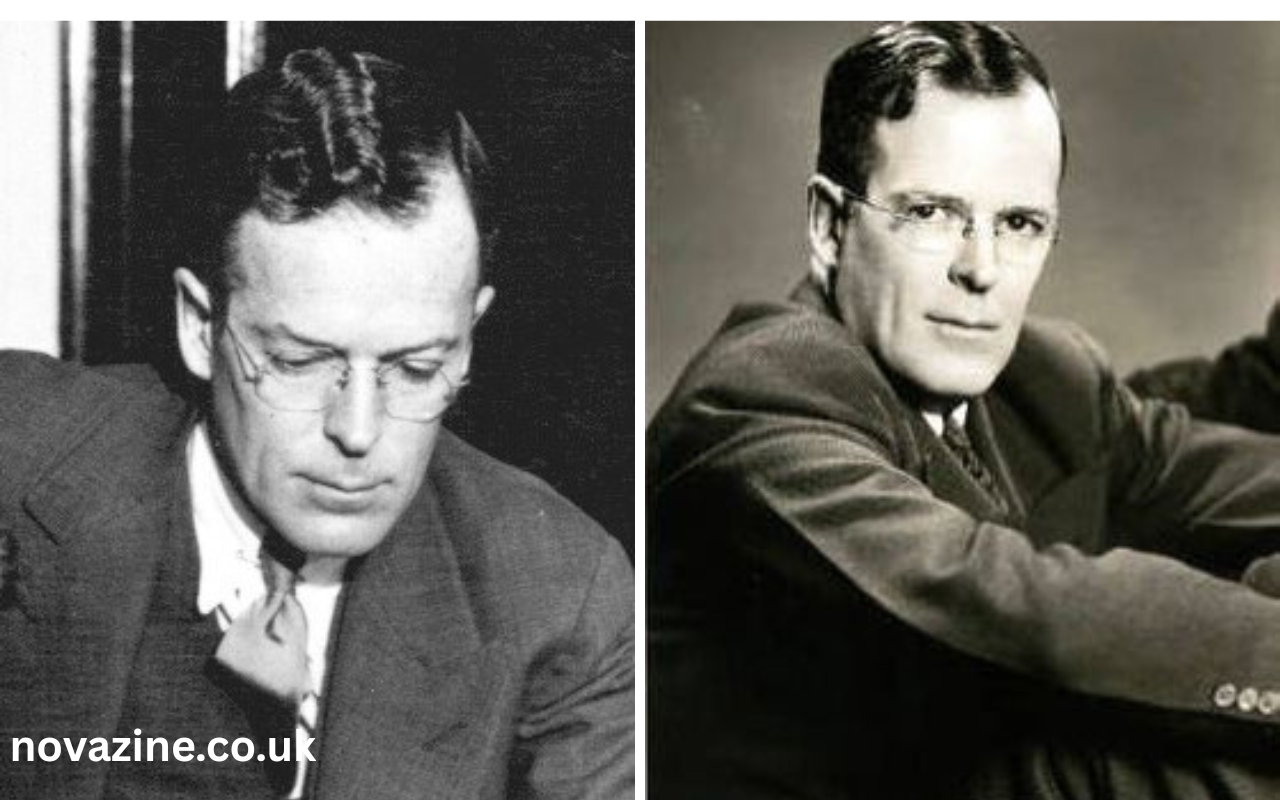
When most people hear the name George P. Putnam, they immediately think of his famous wife, the pioneering aviator Amelia Earhart. It is an understandable connection, given how closely their professional and personal lives were intertwined. However, reducing Putnam to merely the husband of a celebrity does a great disservice to his own remarkable achievements. He was a man who spent decades building a name for himself in the worlds of exploration, publishing, and promotion long before Earhart became a household name. His story is one of relentless energy, calculated risk-taking, and an uncanny ability to spot and shape public heroes.
George Palmer Putnam was born into privilege in Rye, New York, but he refused to simply rest on his family’s publishing fortune. He chose to test himself in the rugged landscapes of the American West, becoming the publisher of the Bend Bulletin in Oregon and even serving as the mayor of Bend from 1912 to 1913. This hands-on experience in local journalism and politics gave him a practical education in how stories capture public attention. It was a far cry from the comfortable drawing rooms of New York, and it forged in him a tough, pragmatic character that would serve him well during his later Arctic adventures and high-stakes publishing deals.
By the time he met Earhart in 1928, Putnam had already led several dangerous expeditions to the Arctic, written books about his travels, and turned Charles Lindbergh’s memoir “We” into a massive bestseller. He understood fame, risk, and the media landscape better than almost anyone of his generation. So, when we look at the complete picture of George P. Putnam, we see a man who was a hero maker in his own right, an explorer who craved the cold silence of Greenland’s ice fields as much as the roar of a New York publicity machine. He was never a simple footnote; he was a full chapter in the history of American adventure.
The Publishing Dynasty and Early Ambitions
The roots of George P. Putnam’s ambition ran deep through the soil of American literary history. He was the grandson and namesake of the founder of G. P. Putnam’s Sons, a prestigious publishing house that had printed works by Washington Irving, Edgar Allan Poe, and Herman Melville. This heritage placed young George in a unique position: he had access to the highest levels of intellectual society, but he also carried the weight of a legendary surname. Rather than simply inheriting the family business, he chose to forge his own path first, which led him to the raw and undeveloped landscape of Oregon, a decision that revealed his independent spirit.
During his time in Oregon, Putnam learned that success in media required more than just printing words; it required community leadership. Serving as the mayor of Bend gave him a crash course in public relations, negotiation, and crisis management. He dealt with real people, real budgets, and real problems, far from the theoretical discussions of East Coast literary salons. This period lasted only a few years, but it left a permanent mark on his character. He returned to New York with a deeper understanding of how ordinary Americans thought and what kind of stories moved them to act, whether that meant buying a newspaper or supporting an expedition.
Eventually, the call of the family trade proved too strong to ignore. Putnam joined the family firm, G. P. Putnam’s Sons, bringing with him a fresh, aggressive style that was unusual for the staid publishing world. He was not content to simply wait for manuscripts to arrive; he went out and hunted for stories. He looked for real-life adventurers and explorers because he understood that true stories of survival and daring sold better than fiction. His early work at the publishing house set the stage for his later triumphs, proving that he could turn raw human experience into profitable, page-turning books that captured the imagination of a nation hungry for heroes.
Conquering the Arctic Ice and
Long before the term “extreme tourism” was ever coined, George P. Putnam was funding and leading expeditions into one of the most hostile environments on Earth: the Arctic. Between 1926 and 1927, he organized two major journeys that took him to the west coast of Greenland and Baffin Island. These were not mere sightseeing trips; they were scientific expeditions sponsored by prestigious institutions like the American Museum of Natural History and the American Geographical Society. Putnam was responsible for raising funds, gathering supplies, managing crews, and documenting the findings, all while enduring temperatures that could drop well below zero degrees Fahrenheit.
Putnam’s Arctic work was dangerous in ways that modern audiences might find hard to imagine. Navigation was done by compass and sextant, communication with the outside world was nearly impossible, and the threat of frostbite or starvation was constant. He collected wildlife specimens, mapped uncharted territories, and wrote detailed reports that contributed to global scientific knowledge. These experiences gave him a level of credibility that no amount of public relations spin could replicate. He had looked into the white void of the polar ice and had not blinked. This personal bravery made him respected among the hard-bitten explorers and scientists of his day, adding a layer of authenticity to everything he later promoted.
The Arctic also taught Putnam the value of storytelling. Upon returning from each expedition, he would craft articles, give lectures, and write books about his experiences. He understood that the raw data of science was not enough to capture the public’s interest; people wanted to hear about the howling winds, the treacherous crevasses, and the beauty of the northern lights. He mastered the art of translating hardship into narrative, a skill that would become his trademark. These Arctic adventures, though less famous than his later work with aviators, were the true foundation of his reputation as a man who did not just talk about danger but walked directly into it.
The Charles Lindbergh Breakthrough
The year 1927 was a turning point for George P. Putnam, as it was for the world of aviation. That year, a shy, young pilot named Charles Lindbergh completed the first solo nonstop transatlantic flight from New York to Paris, becoming an instant global icon. Everyone wanted a piece of Lindbergh, but Putnam moved faster and smarter than his competitors. He secured the rights to Lindbergh’s story and, within weeks of the flight, had published the book “We,” a title that referred to the partnership between Lindbergh and his loyal Spirit of St. Louis aircraft. The speed of the publication was almost as breathtaking as the flight itself.
“We” became a publishing phenomenon, selling more than six hundred fifty thousand copies in less than twelve months. This was not just luck; it was the result of Putnam’s strategic genius. He understood that the public’s appetite for aviation heroes was insatiable in the Roaring Twenties. He arranged for nationwide distribution, coordinated with newspapers for serialized excerpts, and ensured that the book was priced affordably for the average American. The success of “We” did more than just make money; it established Putnam as the premier promoter and publisher of celebrity aviators. He had proven that he could take a news story and turn it into a lasting piece of American literature.
This success also attracted the attention of wealthy patrons who wanted to replicate Lindbergh’s fame. One of them was Amy Phipps Guest, a socialite who wanted to sponsor the first woman to fly across the Atlantic. Guest approached Putnam to manage the project, asking him to find a suitable female pilot. This single request would alter the course of his personal and professional life forever. Without the triumph of “We,” Putnam would never have had the credibility to be involved in the search that led him to Amelia Earhart. In many ways, Lindbergh’s shadow led directly to Earhart’s spotlight, with Putnam standing firmly in the middle of both.
The Meeting and Marriage with Amelia Earhart
Read More : Shelly Loraine Kearns Biography, Life Story, Career, and Influence Behind Christina Aguilera
When George P. Putnam first met Amelia Earhart in 1928, she was a young social worker from Kansas with a passion for flying but no public profile. Putnam had been tasked with finding a woman who had the right look, the right background, and the right temperament to become the first female to cross the Atlantic by air, even if only as a passenger. He saw something special in Earhart immediately: she was tall, slender, and photogenic, with a calm confidence that contrasted sharply with the flamboyant female pilots of the era. He chose her, and after the flight made her famous, he offered to become her manager.
Their professional relationship quickly deepened into something more personal. Putnam, who was still married to his first wife Dorothy Binney at the time, invited Earhart to live with his family in Rye to work on her book “20 Hrs. 40 Min.” This arrangement was scandalous for the late 1920s, yet it continued because the partnership was so profitable and successful. Putnam divorced Binney in 1929, and he married Earhart in 1931 in a quiet ceremony in Connecticut. However, the marriage came with a famous twist: Earhart gave Putnam a letter before the wedding stating that she did not intend to hold him to any medieval code of faithfulness, nor would she be bound by traditional domestic roles.
This was a strikingly modern marriage for its time. Earhart refused to take Putnam’s surname, a decision that made headlines and sparked national debate. Putnam, for his part, accepted that he would often be introduced as “Mr. Earhart” rather than the other way around. He threw his full promotional machinery behind her career, arranging lecture tours, endorsement deals, and record-breaking flights. Theirs was a partnership of equals, bound by mutual respect, shared ambition, and a genuine affection that survived the intense pressures of public life. He was her promoter, her strategist, and her husband, a combination of roles that would define the rest of his life.
The Promoter’s Strategy Behind the Fame
George P. Putnam did not simply let Amelia Earhart’s natural talent speak for itself; he carefully manufactured her image as the perfect heroine for the Great Depression era. He encouraged her to wear practical, functional clothing rather than glamorous gowns, creating the image of a serious, no-nonsense aviator. He arranged for her to give speeches that emphasized themes of courage, independence, and technology, all of which resonated with a struggling American public looking for hope. He also negotiated lucrative product endorsements, including a famously controversial deal with Lucky Strike cigarettes, which paid Earhart a significant sum simply to be photographed with the product.
Putnam understood that celebrity was not just about flying; it was about narrative. He worked with Earhart to craft every aspect of her public persona, from her short, cropped hair to her preference for trousers. He made sure that her flights were covered by major newspapers and newsreels, creating a sense of national participation in her adventures. When she flew solo across the Atlantic in 1932, he had already prepared a book contract, a lecture tour, and a series of magazine articles to follow. There was no gap between the achievement and the monetization of that achievement; Putnam had closed that gap into a single, seamless process.
Critics have argued that Putnam pushed Earhart too hard, turning her into a product rather than a person. Supporters counter that he simply gave her the platform she wanted and needed to advance women’s roles in aviation and society. What is undeniable is that without Putnam’s promotional genius, Earhart would likely have remained a skilled but obscure pilot rather than a global legend. He took her raw talent and wrapped it in a package that the world could embrace. His strategies, which seem obvious today when every athlete and celebrity has a manager, were revolutionary in the 1930s and influenced how fame has been manufactured ever since.
The Tragic Disappearance and Legal Aftermath
When Amelia Earhart vanished over the central Pacific Ocean on July 2, 1937, during her attempt to circumnavigate the globe, George P. Putnam’s world collapsed. He immediately took charge of the search efforts, using his own money and political connections to fund an extensive hunt across thousands of square miles of ocean. He pressured the United States government to commit naval resources, but the official search was called off after seventeen days and four hundred fifty million dollars in today’s money. Putnam refused to give up, organizing private searches for weeks afterward, all of which found no trace of Earhart, her navigator Fred Noonan, or her Lockheed Electra aircraft.
In the painful absence of any evidence of her fate, Putnam had to face the grim practicalities of loss. He waited the required seven years to have Earhart declared legally dead, a process that completed on January 5, 1939. This legal step was necessary to settle her estate, pay her debts, and allow Putnam to move forward with his life, however reluctantly. During this waiting period, he became the sole gatekeeper of her legacy. He wrote the biography “Soaring Wings” and compiled her final letters and dispatches into the book “Last Flight,” which was published in 1937 to critical acclaim. These works ensured that Earhart’s story remained in the public consciousness during the years when many assumed she would eventually be found alive.
The tragedy also brought out a deeper, more private side of Putnam. A fire at his home in Rye destroyed many of Earhart’s personal belongings, but he managed to salvage key items like her flight jacket, photographs, and logbooks. He donated these precious artifacts to Purdue University, where Earhart had served as a female career counselor. This act of preservation was not just about sentiment; it was about controlling the historical narrative. Putnam wanted to ensure that future generations would remember Earhart as the heroic pilot she was, not just as a mystery or a cautionary tale. His handling of her legacy after her death was arguably as important as his promotion of her during her life.
Later Life, Death Valley, and Lasting Legacy
Following the declaration of Earhart’s death, George P. Putnam did not retreat into solitude. He remarried twice during the 1940s, first to Jean Marie Cosigny James and later to Margaret Havilland. He also served his country during World War II, achieving the rank of major in military intelligence, where his skills in organization and analysis proved valuable. After the war, he made a dramatic lifestyle change by moving to Death Valley, California, one of the harshest environments on the continent. Together with his wife Margaret, he took over the operation of the Stove Pipe Wells resort, trading boardrooms for sand dunes and book contracts for guest ledgers.
This Death Valley period was surprisingly productive for Putnam. He wrote and published the “Death Valley Handbook” and “Death Valley and Its Country,” drawing on his lifelong love of exploration and his practical experience in the desert. These guidebooks remain valuable historical documents, capturing the region before mass tourism transformed it. He embraced the slow, hot rhythms of desert life, a stark contrast to the frantic pace of his years in New York. It was as if Putnam, having spent so much of his life chasing fame and adventure, finally found peace in the quiet, extreme stillness of Death Valley. He fell ill there in late 1949, suffering from kidney failure, and died on January 4, 1950, at the age of sixty-two.
George P. Putnam’s legacy is complex and multifaceted. He is remembered in aviation circles through the “George Palmer Putnam 49½ Award,” presented by The Ninety-Nines, the women pilots’ organization that Earhart once led. This award honors individuals who provide exceptional support to the group, a fitting tribute to a man who spent years supporting a female aviator in a male-dominated field. He was also named an Honorary Scout by the Boy Scouts of America in 1927, a recognition of his contributions to exploration and youth inspiration. While his name will always be linked to Amelia Earhart, the full story reveals a man who was an explorer, a publisher, a soldier, a promoter, and a survivor. He shaped how America saw its heroes, and in doing so, became a hero himself in his own quiet, complicated way.